- Euro-based stablecoin project Qivalis is gaining momentum as 25 more European banks join.
- Now their total number in 15 countries has reached 37.
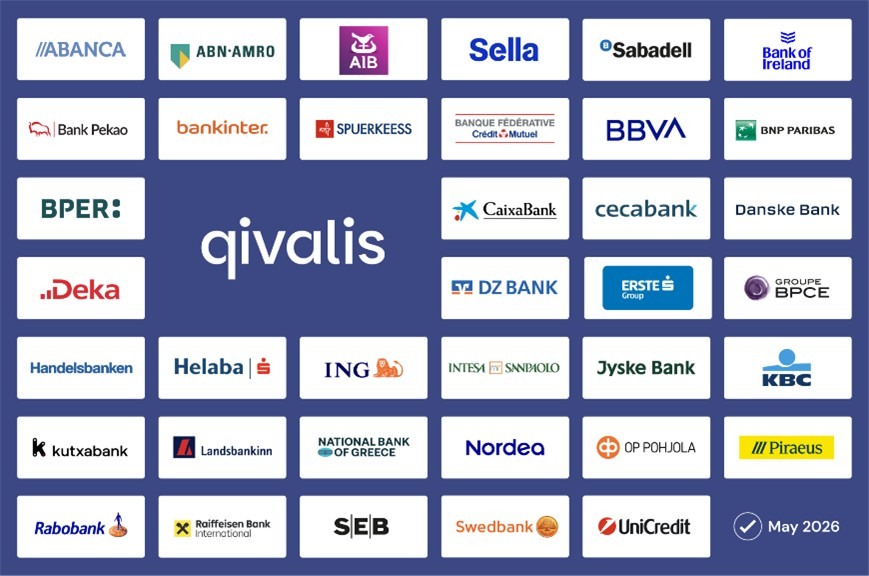
On May 20, 2026, Qivalis announced about 25 more banks joining their euro-pegged stablecoin project, bringing the total to 37 European banks in 15 countries.
The consortium is developing a fully regulated stablecoin, backed by the euro at a 1:1 ratio, scheduled to launch in the second half of 2026 in full compliance with EU MiCA rules.
Qivalis data
Major credit institutions such as ABN AMRO, Rabobank, Intesa Sanpaolo, Nordea, Erste Group, National Bank of Greece, Banco Sabadell, Bank of Ireland, Swedbank, Groupe BPCE, Handelsbanken and others have joined the project, which already includes ING, BNP Paribas and UniCredit.
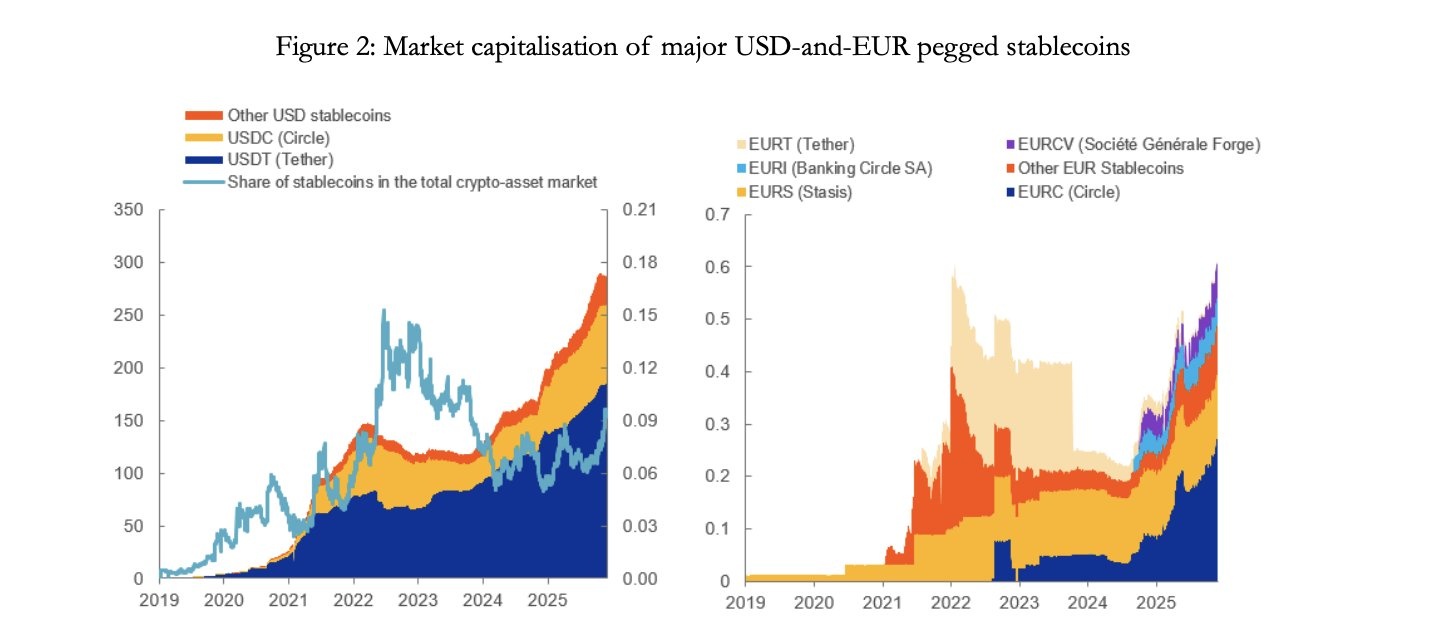
EU banks are seeking to integrate into blockchain-based digital payments infrastructure to reduce Europe’s reliance on US dollar-denominated stablecoins. Dollar-denominated stablecoins such as USDT and USDC dominate the global market with a market capitalization of over $320 billion (99% of the total), while euro-pegged stablecoins are currently valued at €615 million.
Data Bitcoin.com
The expansion of the Qivalis consortium to 37 banks will allow Europe to more effectively compete with US stablecoin issuers, fostering innovation in the tokenization of real assets and digital financial infrastructure.
The launch of the new stablecoin is planned for the second half of 2026. It will enable instant, 24/7 settlements in cross-border payments, transfers of tokenized assets, and programmable treasury transactions. Currently, all of this is accomplished using dollar-pegged digital currencies.
According to forecast S&P Global Ratings estimates that the Eurostablecoin market could grow from the current €770 million to €1,1 trillion by 2030, driven by growing institutional demand.
Risk Warning:
The information on this website is for informational and educational purposes only and does not constitute investment advice or financial recommendations. Cryptocurrencies and digital assets carry a high level of risk, including possible loss of capital. The editors are not responsible for decisions made based on the published materials. It is recommended that you conduct your own research (DYOR) before making investment decisions. Read the editorial policy. https://happycoin.club/about/